
Home / What We Do / Logistics & transportation
Logistics & transportation
Logistics & Transportation Services in Afghanistan
Logistics and transport coordination for goods moving into and across Afghanistan. Connect road and air movements, regional sea-freight interfaces, cargo handling and final delivery through our Kabul-based team.
A defined service scope
Plan the whole movement, including the final handover.
A transport requirement is more than an origin and a destination. The cargo must be described as it will actually travel: packaged weight, dimensions, piece count and handling needs. Unique Marwat brings these details together with collection, delivery access and the responsibilities at each handover.
Whether your enquiry concerns one consignment or repeated movements, start with the actual cargo and dates. We assess the requested coordination scope against the route, available information and operational constraints. Transport mode, availability and delivery commitments are confirmed in the agreed proposal.

Service deliverables
A service scope built around your operation.
Define the outputs you need and confirm what is included in the proposal.
Air, sea and road transport requirements
Compare the movement requirement against cargo readiness, destination and delivery priorities. The suitable mode and route depend on the actual consignment and available services.
Loading, handling and delivery coordination
Identify lifting needs, collection contacts, unloading arrangements and site access. Make each physical handover and the party responsible for it clear before movement.
Shipment information and document coordination
Keep piece counts, packing information, shipment references and receiving contacts aligned. Agree who prepares and approves the formal documents required for the movement.
Prepare your brief
What to send with your logistics & transportation enquiry.
- Origin and final delivery location
- Piece count, packaged dimensions and gross weight
- Cargo readiness and preferred delivery dates
- Loading arrangements and special handling needs
Include supporting documents where available. If information is provisional, identify what still needs confirmation and who will provide it.
Plan the assignment
A clear basis for the next decision.
Route availability, documentation, loading restrictions and site access can affect a shipment. Raise constraints early and agree responsibilities at each handover.
Confirm the delivery point, receiving contact, unloading responsibility and required evidence of delivery.
Agree a contact person, the communication arrangements and how changes will be reviewed. This makes the proposal and the operational handovers easier to follow.
Support for your assignment
Transport planning that connects suppliers, cargo and receiving teams.
Afghanistan-bound cargo can involve several separate handovers before it reaches its final user. The practical task is to connect the goods as packed, the collection arrangement, the transport stages and the receiving location. Unique Marwat supports that coordination around the actual consignment and an agreed division of responsibilities.
Inbound cargo and onward delivery
An international shipment may arrive through an air gateway or connect through a regional port and onward road movement. The planning discussion should distinguish the international transport stage from the delivery needed within Afghanistan. Identify where the cargo becomes available, who releases it and which party manages each formal process. We review the requested coordination scope against those handovers and the final receiving requirement.
Project and site deliveries
A project delivery needs more than a location name. The receiving team may have access windows, unloading constraints, limited storage or a specific sequence for materials. Our logistics discussion connects these site conditions to cargo readiness, vehicle access and handling responsibilities. Where materials are being purchased at the same time, procurement coordination helps align supplier release with the movement plan.
Repeated distribution requirements
For recurring deliveries, review the typical consignment, collection frequency and destinations together. Changes in shipment size, packaging or receiving conditions can affect the operating plan. A repeat requirement should identify the information needed before each movement and how delivery exceptions are reported. Link distribution to warehousing support when goods need to be held or released in stages.
Delivery information
Make every cargo handover identifiable.
A clear logistics record connects the collection instruction to the goods received. Agree the level of shipment information, status updates and completion evidence that your operation needs before a movement is confirmed.
- Cargo information
- Record piece count, external packed dimensions, gross weight and packaging type. Identify estimates and special handling needs, including any piece that differs from the rest of the consignment.
- Movement references
- Keep collection, transport and receiving references aligned. Name the contacts who can release the goods, provide operational updates and accept delivery at the final location.
- Operational responsibilities
- Confirm loading, unloading, access, handling equipment and the parties responsible for formal shipping or clearance processes. Specialist and regulatory requirements need the appropriate responsible party.
- Delivery evidence
- Agree what confirms receipt: item or piece counts, condition observations, receiving details and any exception record. Report discrepancies against the shipment references so follow-up is specific.
Send the packing details, cargo readiness date, origin and final destination. If a route or date is still provisional, identify the uncertainty. We can then discuss a movement scope that makes its assumptions, included activities and delivery handovers clear.
Plan your requirement
The details that change a transport plan.
Packaged measurements
Use gross weight and external dimensions for every packed piece. Mark measurements that are estimates and confirm them before booking. A product weight or an unpackaged measurement can leave transport capacity and handling requirements understated.
Collection and receiving conditions
State whether goods are ready for collection, which equipment is available and whether a vehicle can access the receiving location. Restricted unloading times, stairs, loading areas or a need for lifting equipment should be raised with the destination contact early.
Timing and responsibility
Separate cargo readiness from the requested delivery date. Name the contacts who release, receive and accept the goods, and agree how delays or scope changes are communicated. Any specialist approvals or formal shipping requirements need an identified responsible party.
A one-off shipment or a repeat delivery schedule.
For a single consignment, include a packing list and the required receiving point. For repeated movements, add expected frequency, typical shipment size, changing destinations and reporting needs. If cargo is oversized or needs special handling, disclose the exact condition before a transport proposal is assessed.
How we work
From first brief to agreed handover.
Use a practical process that connects the requirement with the proposed scope.
01
Define
Provide cargo details, collection point and delivery location.
02
Review
Review route, readiness, handling and document responsibilities.
03
Coordinate
Align collection, transport and receiving contacts.
04
Confirm
Check delivery records, exceptions and the agreed handover.
Commercial clarity
Understand the proposal before confirming work.
Transport quotations depend on the packed consignment, route, mode, readiness, handling and delivery basis. Check whether collection, terminal or destination handling, unloading and other requested activities are included.
Ask which costs are included, which responsibilities remain with your organisation and which assumptions underpin the proposal. Payment requirements, validity and any applicable delivery terms should be clear in the written commercial documents.
Where specialist technical, legal or regulatory approval is needed, confirm the appropriate qualified party or authority. Do not treat an operational planning discussion as a formal approval.
Relevant experience
Discuss the work that is relevant to you.
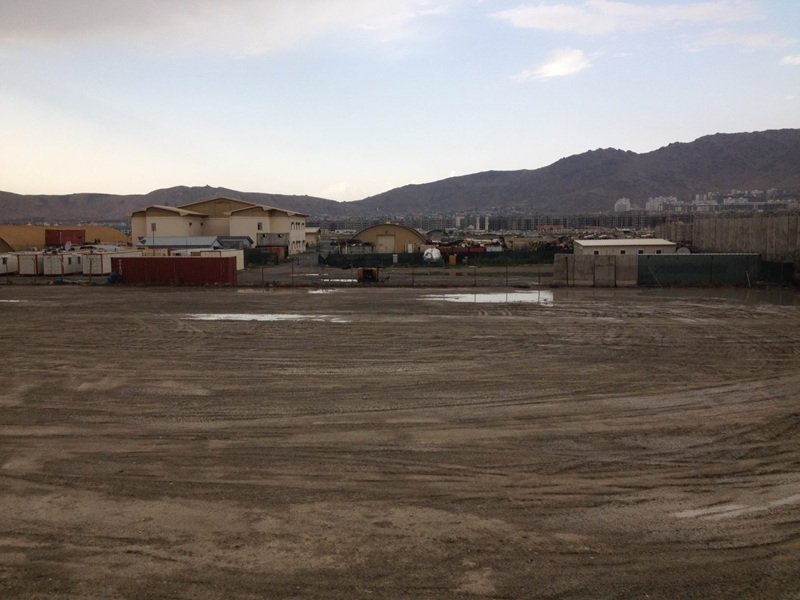
Tell us the service, location and operating environment you are evaluating. Our existing image collection introduces some of those environments; detailed project information and references can be discussed with the team.
Frequently asked questions
Logistics & transportation: practical questions.
Answers to help you prepare a useful brief and assess the proposed scope.
What details are needed for a transport quotation?
Provide collection and delivery locations, cargo description, piece count, packed dimensions, gross weight and cargo-ready date. Add the required delivery date and any special handling conditions.
Can I discuss air, sea and road transport?
Yes. The service discussion can cover air, sea and road requirements. Mode and route suitability depend on the actual cargo, timing, available services and agreed delivery responsibilities.
Should I provide product weight or packed weight?
Provide gross weight as the goods will travel, including their packaging. Also give the external dimensions of each packed piece. Identify any estimates that still need to be verified.
How do I describe a shipment with different carton sizes?
List each size and its piece count separately, with packed dimensions and gross weight. A single average measurement can hide oversized pieces or differences that affect handling and capacity.
Can you assess oversized or difficult-to-handle cargo?
Raise the requirement before planning a movement. Provide exact dimensions, weight, lifting information and access conditions. Suitability, equipment and any specialist requirements must be confirmed for that specific consignment.
What is the difference between cargo-ready and delivery dates?
Cargo-ready is when goods can be collected or handed over. Required delivery is when the receiver needs them. Explain both dates and identify fixed deadlines before a route is assessed.
Are collection and unloading included in a transport quote?
Only if the agreed scope includes them. Ask who provides loading equipment, destination unloading and any additional handling, and check those responsibilities in the written proposal.
What destination information should I provide?
Give the actual receiving location, contact person, access limitations and receiving hours. Highlight unloading conditions or other site restrictions that could affect the final delivery.
Who prepares shipping and approval documents?
Agree the responsible parties for the specific movement. The logistics scope should identify document inputs and coordination responsibilities; specialist or formal approvals require the appropriate qualified party or authority.
Can I request a time-sensitive shipment?
Call the team and provide verified cargo details and readiness. Urgent feasibility and availability require direct confirmation; submitting the form does not reserve capacity or guarantee a delivery time.
How should fragile or specially handled goods be declared?
Describe the goods, packaging and handling restrictions in the first enquiry. Do not rely only on a label or an image. Packaging suitability and carrier requirements need confirmation before movement.
Can repeated deliveries be planned?
Yes. Include expected frequency, typical shipment sizes, origin and destination patterns. Explain what is fixed and what varies so the recurring coordination and reporting scope can be discussed.
What if the cargo quantity changes after quotation?
Send the revised piece count, packed dimensions and gross weight before booking or collection. A change may affect capacity, handling, price and timing, so request written confirmation of the revised plan.
Can storage be discussed between transport stages?
Yes. Identify how long goods may need to be held and their storage requirements. Receipt, storage and release responsibilities should be agreed alongside the movement scope.
What is normally checked in a delivery handover?
Agree the receiving reference, piece count, condition information and evidence of delivery needed for your assignment. The actual acceptance process and any exceptions should be documented in advance.
How are changes or delays communicated?
Name the contacts who need updates and agree the reporting arrangement. Report a changed readiness date, destination or access condition promptly so its effect on the proposed movement can be assessed.
Does the website confirm insurance or specialist cargo acceptance?
No. Any requested insurance arrangement, cargo restriction or specialist handling condition must be reviewed and explicitly confirmed for the actual shipment. Do not assume it is included in a general enquiry.
How should an existing shipment follow-up be raised?
Email operations@uniquemarwat.com with the shipment reference, origin, destination and the specific update or action required. Include the relevant deadline and receiving contact.
Can procurement and transport be quoted together?
The requirements can be discussed in one enquiry. Identify the goods, supplier or collection point and final delivery location, then agree how the purchasing and movement responsibilities connect.
Where can I find a transport preparation checklist?
Use our transport brief guide to gather cargo, route, timing and handover information. Then select Logistics & transportation on the quotation form to send the requirement directly.
Related support
Connected services.
Explore the other parts of your operation that may need coordination.
Procurement & sourcing
Source products against a clear specification, with supplier enquiries, quotation coordination and delivery responsibilities brought together.
Supply chain management
Coordinate the purchasing, inventory, storage and distribution requirements that support your operation.
Warehousing & distribution
Define storage, handling and dispatch arrangements around the goods you need to receive, hold and distribute.
Start a conversation
Plan your next cargo movement.
Share the packed cargo details, collection point and receiving location to request a logistics proposal.