
Home / What We Do / Warehousing & distribution
Warehousing & distribution
Warehousing & Distribution Support in Afghanistan
Warehousing, goods handling and distribution support for operations and projects in Afghanistan. Plan receiving, storage, stock records and dispatch around your products, volumes and delivery requirements.
A defined service scope
Build storage and dispatch around the goods you handle.
The right warehousing brief starts with the goods, their packaging and the work required around them. Receiving a palletised shipment is different from managing loose cartons or frequent order picking. Unique Marwat helps connect the receipt, records, handling and dispatch requirements that need to be agreed.
Tell us what will arrive, how long it needs to be held and how it will leave. Capacity, storage conditions, any special handling and the division of responsibilities must be checked against the specific enquiry. Do not assume a specialist storage condition is included unless it is confirmed in writing.

Service deliverables
A service scope built around your operation.
Define the outputs you need and confirm what is included in the proposal.
Storage and goods-receipt requirements
Describe packaging, expected quantities, arrival pattern and storage duration. Agree receipt checks, condition reporting and any special conditions before goods are accepted.
Stock records and handling coordination
Set the item references, units, locations and movement records your operation needs. Define the process for damaged goods, discrepancies, returns and stock reconciliation.
Dispatch and distribution planning
Specify order preparation, picking, packing and dispatch frequency. Connect release authorisation, transport handover and receiving-site requirements in the proposed scope.
Prepare your brief
What to send with your warehousing & distribution enquiry.
- Goods description, packaging and expected volumes
- Storage period and any special conditions
- Receipt and dispatch frequency
- Delivery destinations and handling requirements
Include supporting documents where available. If information is provisional, identify what still needs confirmation and who will provide it.
Plan the assignment
A clear basis for the next decision.
Storage suitability depends on the goods. Identify shelf-life, stacking, environmental and handling requirements before agreeing the scope.
Confirm stock-record requirements, receiving checks, dispatch authorisation and the information needed for each delivery.
Agree a contact person, the communication arrangements and how changes will be reviewed. This makes the proposal and the operational handovers easier to follow.
Support for your assignment
Storage support that starts with how your goods move.
Warehousing is the operating link between goods arriving and goods being used. A useful service scope explains what is received, how it is identified, the conditions it needs and how it is released. Unique Marwat supports the discussion around these activities and their connection to procurement, transport and project requirements.
Receiving and short-term holding
Goods arriving for a project may need to be checked and held before the site is ready. Agree the receipt process, the available packing information and how discrepancies are recorded. A temporary holding requirement should also state the expected release dates and handling needs, so storage is connected to the delivery programme rather than treated as an open-ended arrangement.
Stock support for ongoing operations
For recurring stock, clarify item references, units, expected quantities and the frequency of receipts and issues. Identify the records your organisation needs and the people who can authorise release. Inventory coordination should distinguish goods available for general use from items reserved for a particular assignment. Link the operating plan to supply-chain support where replenishment and stock information need to work together.
Dispatch to project and operational locations
Distribution requirements should identify the destination, order grouping, packing and receiving contact for each release. Some goods may leave as full consignments; others may be split into smaller project deliveries. The scope should explain how pick or dispatch instructions are approved, what accompanies the goods and how transport coordination connects storage to the final handover.
Delivery information
Connect receipt, stock position and dispatch.
Agree the recordkeeping needed for the goods and the work involved. Capacity, storage conditions, handling resources and service availability are confirmed against the actual requirement.
- Receiving details
- Link each arrival to its supplier or shipment reference. Record the item or piece count and any visible condition or documentation discrepancy identified at receipt.
- Storage requirements
- Describe packaging, dimensions, weight, duration and any special conditions. Confirm suitability and handling responsibilities before goods are delivered to a storage arrangement.
- Stock records
- Agree the information needed for receipts, issues, transfers and balances. Identify how restricted, reserved or exception items are distinguished in the stock view.
- Dispatch and receipt
- Record the authorised release, destination and receiving contact. Connect dispatch quantities to the delivery record so the movement can be reconciled after handover.
Tell us what the goods are, how much space or handling they may require, how long they need to be held and how often they will be released. For a project, include the delivery sequence and site conditions. These details provide the basis for a practical storage and distribution proposal.
Plan your requirement
Agree what happens between receipt and release.
Receiving and condition checks
State what the receiving team should compare with the delivery documents, how quantities are recorded and how visible damage is reported. A delivery discrepancy needs a named contact and an agreed review process; it should not disappear into a general stock total.
Storage requirements
Explain product characteristics, packaging, segregation and any environmental requirements. If goods need temperature control, special security or specialist handling, raise that before a proposal is prepared. Suitability and capacity must be confirmed for the actual goods and period.
Release and distribution
Identify who can authorise release, the records required and how orders are grouped for dispatch. Agree the cutoff or planning process for requests, how returns are handled and which delivery activities sit with the transport provider or receiving organisation.
Longer storage and high-frequency dispatch have different needs.
A short holding period may primarily require receipt, safe handling and release coordination. Frequent distribution can add picking, packing, reconciliation and delivery scheduling. Include expected peak volumes and order frequency so the proposal reflects the activity as well as the space required.
How we work
From first brief to agreed handover.
Use a practical process that connects the requirement with the proposed scope.
01
Define
Describe goods, volumes, duration and dispatch patterns.
02
Review
Confirm capacity, handling, records and storage requirements.
03
Coordinate
Align receipt checks, authorised releases and transport handovers.
04
Confirm
Review stock reconciliation and final release records.
Commercial clarity
Understand the proposal before confirming work.
Volume, packaging, storage duration, receiving and dispatch frequency, handling activity and any confirmed special conditions affect the scope. Ask the proposal to separate storage from additional activities such as picking, packing or onward transport.
Ask which costs are included, which responsibilities remain with your organisation and which assumptions underpin the proposal. Payment requirements, validity and any applicable delivery terms should be clear in the written commercial documents.
Where specialist technical, legal or regulatory approval is needed, confirm the appropriate qualified party or authority. Do not treat an operational planning discussion as a formal approval.
Relevant experience
Discuss the work that is relevant to you.
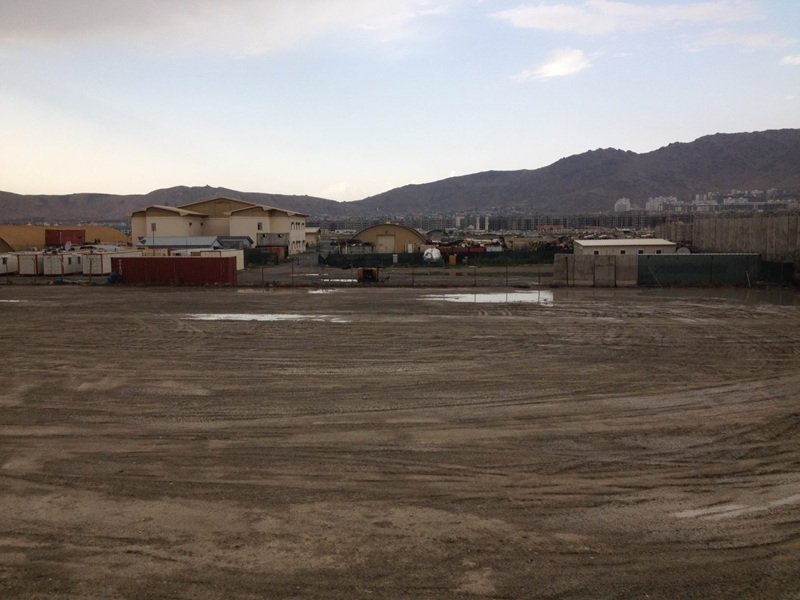
Tell us the service, location and operating environment you are evaluating. Our existing image collection introduces some of those environments; detailed project information and references can be discussed with the team.
Frequently asked questions
Warehousing & distribution: practical questions.
Answers to help you prepare a useful brief and assess the proposed scope.
What information is needed for a warehousing enquiry?
Describe the goods, packaging, volumes, expected arrivals, storage duration and dispatch pattern. Include any special storage or handling requirements and the locations involved.
How should I state storage volume?
Give the actual packaged quantities and dimensions, such as pallet or carton counts and sizes. Include expected peaks and changes over the storage period, rather than only an average quantity.
Can short-term storage be discussed?
Provide the intended receipt and release dates, goods details and expected handling activity. Storage suitability and capacity require confirmation for the specific goods and requested period.
Are temperature-controlled or specialist conditions available?
Raise the exact condition before requesting a proposal. A general warehousing enquiry does not confirm specialist capacity, temperature control or the suitability of a facility for your goods.
What should be agreed when goods arrive?
Define quantity checks, document references, visible condition reporting and discrepancy escalation. Name the contact who resolves receiving issues and the records your team expects.
Can goods-receipt records use our item codes?
Provide the item references, descriptions and units your team uses. Agree the record format and who maintains it so receipts and issues can be reconciled consistently.
How should damaged goods be handled?
Explain your segregation, reporting and review requirements before receipt. Agree who authorises the next action for damaged goods; the handling process should be part of the written scope.
Can picking and packing be included?
Describe order sizes, picking units, packing materials and dispatch frequency. These activities need explicit confirmation and may be separate from the storage element of a proposal.
Who can authorise release of stock?
Identify the authorised people and the reference or record required to release goods. Agree how instructions are verified and how the release is recorded.
Can storage and transport be discussed together?
Yes. Include the onward destinations, shipment pattern and receiving requirements. Define where warehouse release ends and transport responsibility begins.
How should dispatch schedules be provided?
Give expected order frequency, typical quantities, destination patterns and any fixed receiving windows. Mark forecasts separately from confirmed dispatch instructions.
Can returns be included in the storage process?
They can be discussed. Explain how returns are identified, checked, recorded and held pending a decision, and who approves their disposition or release.
How are inventory differences reviewed?
Agree a reconciliation process, review frequency and responsible contacts. State which movement and stock records will be compared and how confirmed differences are approved.
What if storage volumes increase?
Provide the revised goods quantities, dimensions and dates as early as possible. Additional capacity, handling and commercial effects need confirmation before the changed requirement is accepted.
Are specialist or restricted goods automatically accepted?
No. Disclose the product characteristics and any special conditions in the initial enquiry. Acceptance and handling suitability require assessment and explicit confirmation for those goods.
What determines a storage and distribution proposal?
Volume, duration, arrival and release frequency, handling activity, records and any confirmed special conditions affect the scope. Ask which activities are included and which are separate.
What information is needed for final release?
Agree the release authorisation, item and quantity records, collection arrangements and final reconciliation. Identify any outstanding discrepancies or goods still awaiting a decision.
Can we agree regular stock reporting?
Specify the report fields, units, frequency and recipients. Reports depend on the agreed record and review process and should reflect the actual movements and exceptions.
Should insurance or liability arrangements be checked?
Yes. Confirm the responsibilities and any requested insurance or liability provisions in the written commercial documents. Do not infer these terms from general website descriptions.
How do I request warehousing support?
Select Warehousing & distribution on the quotation form and include goods, volumes, storage dates and dispatch needs. Call the team when a storage deadline needs urgent clarification.
Related support
Connected services.
Explore the other parts of your operation that may need coordination.
Procurement & sourcing
Source products against a clear specification, with supplier enquiries, quotation coordination and delivery responsibilities brought together.
Logistics & transportation
Connect the origin, cargo and final destination through practical transport planning and delivery coordination.
Supply chain management
Coordinate the purchasing, inventory, storage and distribution requirements that support your operation.
Start a conversation
Review your storage & distribution requirement.
Send the goods, approximate volumes, storage period and dispatch locations for an assessment of the required support.