
Home / What We Do / Operations & maintenance
Operations & maintenance
Operations & Maintenance Support in Afghanistan
Operations and maintenance support for facilities, assets and project activities in Afghanistan. Coordinate defined tasks, resources, planned activities and completion records around the needs of your site.
A defined service scope
Turn operational needs into an accountable work scope.
Operations and maintenance support needs a clear boundary: which facilities or assets are involved, what work is required and who authorises it. Unique Marwat helps bring activities, resources, schedules and reporting requirements into a scope your team can review before work starts.
Distinguish routine activities from an existing fault or an urgent issue. Include available asset information, access conditions and the resources already on site. Specialist tasks, competencies, approvals and any required response arrangements must be confirmed as part of the actual engagement.

Service deliverables
A service scope built around your operation.
Define the outputs you need and confirm what is included in the proposal.
Operational requirement and resource coordination
List the site activities, service period and resources already available. Identify task owners and the interfaces between your team, suppliers and any specialist providers.
Maintenance activity and schedule planning
Separate planned work from specific faults and outstanding actions. Use asset details, operating conditions and known constraints to define the maintenance discussion.
Progress and handover reporting requirements
Agree how work status, findings, outstanding defects and completion are recorded. Name the person who reviews the records and accepts the agreed activities.
Prepare your brief
What to send with your operations & maintenance enquiry.
- Site and asset details
- Required activities and operating conditions
- Known issues and existing resources
- Service period and reporting expectations
Include supporting documents where available. If information is provisional, identify what still needs confirmation and who will provide it.
Plan the assignment
A clear basis for the next decision.
The work must be matched to the asset and the people qualified to perform it. Identify specialist requirements and approval responsibilities before work starts.
Define completion records, outstanding actions, asset information and the acceptance process for the agreed activities.
Agree a contact person, the communication arrangements and how changes will be reviewed. This makes the proposal and the operational handovers easier to follow.
Support for your assignment
Operational support with clear tasks and reviewable completion.
A site-support requirement can include several different activities, each with its own resources, access and approval needs. Unique Marwat brings the coordination discussion back to the specific site, asset or operating task. The proposed scope should explain the work to be supported and how its progress and completion will be reviewed.
Planned operational activities
For continuing site support, identify the activities, service period and expected frequency. Clarify the resources already available and those that need to be coordinated. An agreed schedule should take account of access, operating hours and dependencies on client decisions. Keep routine work distinct from additional activities so the service team and client can review progress against the same scope.
Maintenance coordination and material needs
Maintenance requirements should be connected to asset references, available technical information and known operating conditions. Identify the qualifications or specialist review required for the work. Where parts or materials are needed, connect the requirement to procurement and supply support using the correct manufacturer or approved specification. An unverified substitute should not become an operational decision by default.
Project and facility handovers
Operational requirements often become clearer as a project approaches handover. Review the assets, records, outstanding actions and responsibilities the receiving team needs. The support discussion can connect these items to project coordination, with completion evidence and open issues recorded separately. This helps distinguish work accepted as complete from activities that still need approval, resources or specialist action.
Delivery information
Keep work status, findings and decisions together.
A practical activity record supports the client’s operating decisions. Its detail should match the asset, the service scope and the responsibilities agreed for the assignment.
- Task and asset reference
- Identify the site, asset or operating activity and describe the work requested. Include the available condition information and relevant manufacturer or technical references.
- Access and responsibility
- Name the contacts who arrange access, approve the work and review completion. Identify specialist tasks and any client-controlled approvals before scheduling activities.
- Work and findings
- Record the activities carried out, relevant observations and materials used where applicable. Raise additional findings as separate actions rather than treating them as an automatic extension of scope.
- Outstanding actions
- Show work still open, the responsible party and the decision or resource needed next. Agree how additional cost, time or technical implications are reviewed before proceeding.
For a planned service, share the site, asset list, activity frequency and required period. For an isolated issue, describe the condition and actions already taken. Availability and any time-sensitive response arrangement need confirmation directly with the team.
Plan your requirement
Asset details and responsibility come before the work plan.
Define the operating boundary
Identify the site, equipment or facility and explain how it is used. State which activities are included, what access can be provided and which operational decisions remain with your organisation. A broad request to maintain a site needs to be broken into reviewable tasks.
Plan around the asset
Provide manufacturer information, asset references, known faults and available maintenance history. Mark any missing information. Tasks that require specialist qualifications or technical approval should have an appropriately qualified responsible party identified before work is assigned.
Record work and outstanding issues
Agree a practical record of activities completed, findings, parts used where relevant and work still outstanding. Define how a newly discovered issue is escalated and how additional work is approved, rather than allowing an inspection finding to become an unapproved scope change.
Planned activities and urgent issues need different information.
For recurring support, provide the service period, activity frequency and reporting needs. For a fault or isolated task, describe the symptoms, asset condition and actions already taken. Urgent availability and response arrangements need direct confirmation; the website does not establish an emergency response commitment.
How we work
From first brief to agreed handover.
Use a practical process that connects the requirement with the proposed scope.
01
Define
Identify sites, assets, tasks and known issues.
02
Review
Review resources, access, technical needs and approvals.
03
Coordinate
Align activity schedules and escalation responsibilities.
04
Confirm
Review completed work, outstanding actions and handover.
Commercial clarity
Understand the proposal before confirming work.
The scope depends on site conditions, asset types, activities, frequency, resources, specialist requirements and agreed service period. Clarify whether materials, parts and additional work are included or require separate approval.
Ask which costs are included, which responsibilities remain with your organisation and which assumptions underpin the proposal. Payment requirements, validity and any applicable delivery terms should be clear in the written commercial documents.
Where specialist technical, legal or regulatory approval is needed, confirm the appropriate qualified party or authority. Do not treat an operational planning discussion as a formal approval.
Relevant experience
Discuss the work that is relevant to you.
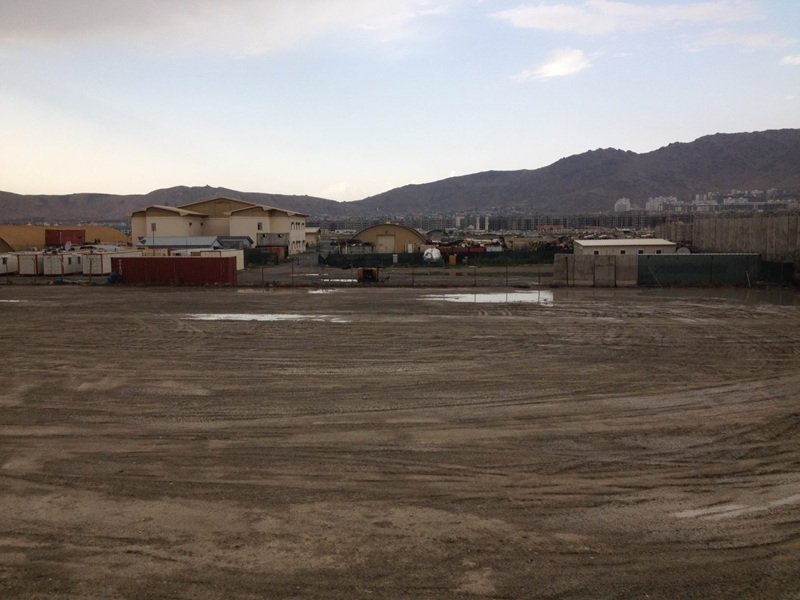
Tell us the service, location and operating environment you are evaluating. Our existing image collection introduces some of those environments; detailed project information and references can be discussed with the team.
Frequently asked questions
Operations & maintenance: practical questions.
Answers to help you prepare a useful brief and assess the proposed scope.
What should an operations and maintenance brief cover?
Identify the site, assets, activities, service period and current issues. Explain existing resources, access conditions and the responsibilities you need external support to cover.
Can planned and corrective work be discussed separately?
Yes. Separate routine activities from faults and outstanding actions. Include the asset reference, symptoms and work already completed so the task can be assessed in its actual context.
What asset information should I provide?
Manufacturer, model, asset reference, operating use and available maintenance history are useful. Mark missing or uncertain information and identify who can answer technical questions.
Does an enquiry confirm emergency response availability?
No. Call the team to discuss an urgent requirement and obtain direct confirmation. The website and quotation form do not establish a response-time or emergency-service commitment.
How is a recurring service period defined?
State the start and end dates, site coverage, activity frequency and reporting needs. Explain any expected changes in workload or access during the proposed period.
Who approves maintenance activities?
Name the people authorised to approve work, access, technical decisions and completion. These authorities should be explicit in the engagement rather than assumed to sit with the coordination team.
Can parts and materials be included?
List the expected parts or material needs and discuss their supply separately where necessary. Confirm whether purchasing, availability, delivery and associated costs are included in the agreed scope.
How are specialist tasks handled?
Identify required qualifications, technical instructions and approval responsibilities in advance. Work must be assigned to appropriate qualified parties; a general support enquiry does not confirm specialist competence or approval.
What site access information matters?
Explain access arrangements, operating hours, named contacts and any site-specific conditions relevant to the tasks. Agree required permissions before attendance or work is scheduled.
Can we retain some tasks in-house?
Yes. Explain what your team already covers and where external coordination or resources are needed. Clear interfaces reduce gaps or duplicate responsibility between the two scopes.
What records should be agreed for completed work?
Define the task record, findings, completion status and outstanding actions. Include any asset information or documents the accepting person needs to review before signing off the agreed work.
How should a newly discovered defect be raised?
Record the finding and report it to the authorised contact. Any additional work, parts, cost or timing change should be reviewed and approved through the agreed change process.
Can maintenance schedules use existing asset records?
Share the available records and explain their current status. The team can discuss how they support planning, while any record preparation or specialist assessment must be included explicitly in the scope.
What determines the cost of operational support?
Site conditions, tasks, asset types, activity frequency, resources, specialist needs and service duration affect the proposal. Request clarity on materials, exclusions and separately approved work.
What if an asset cannot be accessed or taken out of use?
Raise the restriction in the initial brief. The permitted access and operating window may affect the work sequence, resources and feasibility, so an alternative approach needs agreement.
Can progress reporting be tailored?
Specify the required status information, report frequency, recipients and escalation criteria. The reporting process should distinguish completed tasks, work in progress and issues awaiting a decision.
How do I follow up an ongoing assignment?
Email operations@uniquemarwat.com with the site or project reference, asset or task concerned, and the action required. Include the relevant deadline and responsible site contact.
What should happen at the end of the service period?
Review completed activities, outstanding issues, relevant asset records and any remaining responsibilities. Agree who accepts the handover and which actions require separate follow-up.
Can operations support connect with project coordination?
Yes. Explain whether the activity is part of a wider project and identify milestones, supplier interfaces and acceptance responsibilities that need to be aligned.
How do I start an operations enquiry?
Select Operations & maintenance on the quotation form. Include the site, assets, required activities and service dates; provide technical documents separately when appropriate.
Related support
Connected services.
Explore the other parts of your operation that may need coordination.
Procurement & sourcing
Source products against a clear specification, with supplier enquiries, quotation coordination and delivery responsibilities brought together.
Logistics & transportation
Connect the origin, cargo and final destination through practical transport planning and delivery coordination.
Supply chain management
Coordinate the purchasing, inventory, storage and distribution requirements that support your operation.
Start a conversation
Define the support your site needs.
Share the location, assets, tasks and service period to discuss operations and maintenance support.