
Home / What We Do / Project management
Project management
Project Management Support in Afghanistan
Project management and delivery support for international organizations and project teams in Afghanistan. Connect procurement, logistics, resources, milestones and local operational interfaces through a defined coordination scope.
A defined service scope
Keep scope, decisions and delivery responsibilities connected.
A project can lose direction when the objective is clear but responsibilities and dependencies are not. Unique Marwat supports the coordination discussion around deliverables, stakeholder decisions, supplier interfaces and the records needed to track progress and handover.
Tell us whether the assignment is at concept, procurement, delivery or closeout stage. Explain the support you want to retain internally and the coordination you need from an external team. The engagement should define authority, reporting, commercial boundaries and acceptance requirements.

Service deliverables
A service scope built around your operation.
Define the outputs you need and confirm what is included in the proposal.
Scope and milestone coordination
Translate the objective into deliverables, boundaries and review points. Identify dependencies and the information needed before a milestone can be treated as complete.
Supplier and stakeholder interfaces
Connect suppliers, client decisions and operational teams through named contacts and responsibilities. Make approval ownership and escalation routes visible.
Progress, change and handover requirements
Agree status reporting, decision records and the process for approving changes. Define the completion evidence and outstanding-action review needed at handover.
Prepare your brief
What to send with your project management enquiry.
- Project objective and scope of work
- Location, milestones and current status
- Stakeholders and decision responsibilities
- Reporting and acceptance requirements
Include supporting documents where available. If information is provisional, identify what still needs confirmation and who will provide it.
Plan the assignment
A clear basis for the next decision.
A schedule depends on more than dates. Clarify approvals, dependencies, resources and the process for responding to changes.
Set the deliverables, review steps, supporting documents and responsibilities for accepting completed work.
Agree a contact person, the communication arrangements and how changes will be reviewed. This makes the proposal and the operational handovers easier to follow.
Support for your assignment
Local project support from mobilisation through handover.
International and local project teams often need coordination across suppliers, materials, transport and site activities. Unique Marwat supports the interfaces included in the assignment, helping the client keep deliverables, decisions and operational requirements connected. The starting point is the project’s actual stage and the support needed to move it forward.
Mobilisation and early delivery planning
At the start of an assignment, identify the work packages, required resources, locations and decisions that affect mobilisation. Connect early procurement and transport needs to the intended sequence of work. A defined coordination scope can show which information is ready, which approvals are outstanding and which activities depend on them. This creates a practical basis for the next delivery discussion.
Procurement and logistics interfaces
A supplier commitment can affect transport; a transport date can depend on site readiness; a site activity can depend on the correct materials being received. Our project-support discussion brings these interfaces into the same operating picture. Link procurement support and logistics coordination to the milestones they serve, and identify who can approve changes to quantities, timing or delivery requirements.
Progress review and closeout
For an ongoing assignment, begin with current progress, committed suppliers, open decisions and outstanding activities. Agree how status is reported and which issues need escalation. At closeout, connect completion evidence to the agreed deliverables and record any open actions separately. Coordination supports the client’s review process; technical acceptance and contractual authority remain with the parties named in the engagement.
Delivery information
A project record should explain the next decision.
Dates are useful when they are connected to an owner, a dependency and a deliverable. Agree a reporting approach that gives the project team the information needed to review progress and resolve outstanding actions.
- Scope and deliverables
- Identify the intended outputs, included activities and boundaries. Keep approved changes with the scope so each party can work from the same current requirement.
- Milestones and dependencies
- Show what is due, who is responsible and what must happen first. Distinguish a target date from a commitment that depends on an unresolved approval or supplier action.
- Decisions and changes
- Record the issue, available information, responsible reviewer and decision required. Review the effect of a change on cost, scope and time before it is authorised.
- Handover and open actions
- Connect completed deliverables to the evidence needed for acceptance. Record outstanding items with their owner and next action so closeout is understandable to the receiving team.
Tell us the project location, objective, current stage and the coordination gap you need to address. Existing plans, item lists and progress records can provide a useful starting point. We can then discuss a proposed support scope that builds on the work already completed.
Plan your requirement
A useful project plan shows decisions as well as dates.
Deliverables and dependencies
Describe the outputs the project must produce and how they will be reviewed. Connect each major milestone to the preceding information, approval, supplier action or site condition it depends on. An unsupported target date is not a confirmed delivery commitment.
Authority and communication
Name the client representative, technical reviewers and parties authorised to accept work or approve changes. Agree the reporting rhythm and which issues need escalation. Clear coordination does not replace the decision authority of the people accountable for the project.
Controlled change and closeout
Record a proposed change, the reason for it and its effect on scope, cost or dates before approval. At closeout, review deliverables, records, unresolved items and acceptance responsibilities against the agreed scope. A handover should explain what is complete and what still needs action.
New projects and ongoing assignments need different starting points.
For a new assignment, share the objective, location, stakeholders and intended deliverables. For an ongoing project, include current progress, committed suppliers, open decisions and outstanding activities. This lets the support discussion focus on the actual coordination gap rather than recreating an existing plan.
How we work
From first brief to agreed handover.
Use a practical process that connects the requirement with the proposed scope.
01
Define
Define the objective, project stage and deliverables.
02
Review
Map milestones, dependencies, authority and reporting.
03
Coordinate
Coordinate suppliers, stakeholders and approved changes.
04
Confirm
Review completion evidence, open actions and acceptance.
Commercial clarity
Understand the proposal before confirming work.
The support requirement depends on project stage, duration, locations, deliverables, supplier interfaces, reporting and the responsibilities assigned to the team. Separate coordination support from specialist design, approval or physical execution where those are required.
Ask which costs are included, which responsibilities remain with your organisation and which assumptions underpin the proposal. Payment requirements, validity and any applicable delivery terms should be clear in the written commercial documents.
Where specialist technical, legal or regulatory approval is needed, confirm the appropriate qualified party or authority. Do not treat an operational planning discussion as a formal approval.
Relevant experience
Discuss the work that is relevant to you.
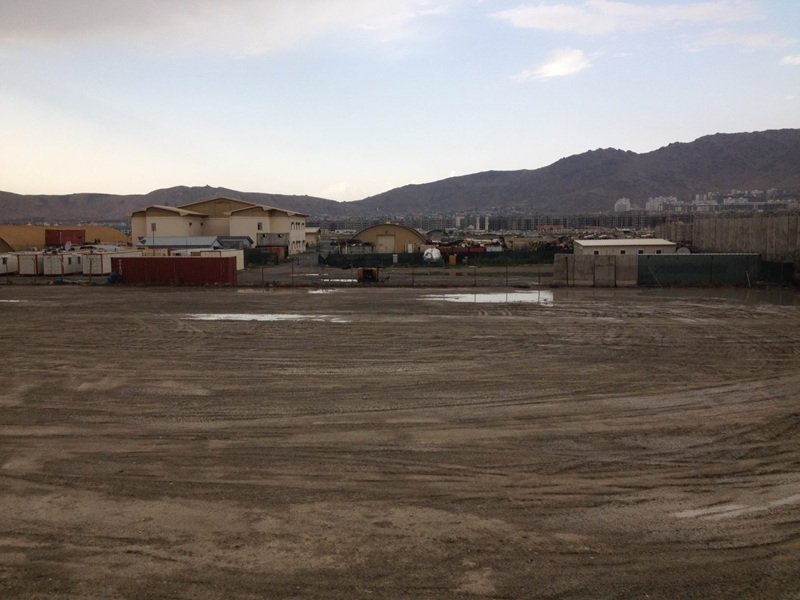
Tell us the service, location and operating environment you are evaluating. Our existing image collection introduces some of those environments; detailed project information and references can be discussed with the team.
Frequently asked questions
Project management: practical questions.
Answers to help you prepare a useful brief and assess the proposed scope.
What should I include in a project support enquiry?
Provide the objective, location, current project stage, deliverables and intended timeframe. Explain stakeholders, open decisions and which coordination responsibilities you need support with.
Can support begin after a project has started?
Yes. Share current progress, committed suppliers, existing plans and outstanding activities. Identify the coordination gap so the discussion focuses on the work that remains.
How should deliverables be defined?
Describe the outputs the assignment must produce and who will review them. Include acceptance criteria and supporting records so completion can be assessed against the agreed scope.
What is a useful milestone?
A milestone represents a reviewable point in the project, with its required inputs and responsible parties identified. Explain dependencies and distinguish target dates from dates confirmed by the responsible parties.
Does project support include design or technical approval?
Only when explicitly agreed with the appropriate qualified party. Coordination support does not automatically include specialist design, certification or approval authority.
Who should be named as the client contact?
Identify the person coordinating client decisions and the people authorised to approve scope, cost, dates and acceptance. Their roles should be visible to suppliers and the support team.
Can suppliers and operational teams be coordinated together?
Yes. Explain the interfaces, deliverables and handovers between them. The scope should state which coordination activities are assigned and where decision authority remains.
How are project changes reviewed?
Record the proposed change, its reason and its effect on deliverables, cost, responsibilities and dates. Obtain the required approval before treating it as part of the agreed work.
What should a progress report contain?
Agree status against deliverables and milestones, key issues, decisions needed and outstanding actions. Define recipients and frequency so the report supports decisions rather than repeating an unverified schedule.
Can a project cover several locations?
List each location and explain the work and stakeholders at each. Travel, access, reporting and interfaces between sites need to be assessed in the specific proposal.
How do we define what is excluded?
Identify activities retained by your organisation or another provider, specialist tasks outside the engagement and assumptions that the plan depends on. Review these boundaries before confirming the scope.
What if the project information is incomplete?
Mark unknowns and name the people who can resolve them. An initial discussion can organise the questions, but dates, costs and delivery commitments need a sufficiently clear agreed basis.
Can procurement be part of the project discussion?
Yes. Include product or material needs, supplier status and required delivery milestones. Agree purchasing approvals and transport interfaces alongside the project coordination responsibilities.
How are project risks recorded?
Describe the dependency or uncertainty, its possible effect and the person responsible for the next action. The appropriate technical or commercial decision owner should review issues within their authority.
What happens when a milestone slips?
Raise the cause, affected dependencies and decisions required. The impact on scope, costs or other dates should be assessed and any revised commitments confirmed by the authorised parties.
What determines the support proposal?
Project stage, duration, locations, deliverables, supplier interfaces and reporting needs shape the scope. Distinguish coordination support from specialist services or physical execution.
Can a limited coordination package be agreed?
Describe the specific workstream, milestone or interface you need help with. A bounded assignment can be discussed without assuming responsibility for the whole project.
What should be checked at handover?
Review the agreed deliverables, completion evidence, unresolved items and acceptance responsibilities. Keep a clear record of what is accepted and what remains outstanding.
Can references relevant to a project be requested?
Explain the sector, scope, operating conditions and evidence your evaluation requires. Project descriptions and third-party reference information depend on availability and disclosure permissions.
How do I request project management support?
Select Project management on the quotation form and share the project stage, objective and support needed. Use the project scope guide to organise deliverables and responsibilities first.
Related support
Connected services.
Explore the other parts of your operation that may need coordination.
Procurement & sourcing
Source products against a clear specification, with supplier enquiries, quotation coordination and delivery responsibilities brought together.
Logistics & transportation
Connect the origin, cargo and final destination through practical transport planning and delivery coordination.
Supply chain management
Coordinate the purchasing, inventory, storage and distribution requirements that support your operation.
Start a conversation
Bring your project requirements together.
Share the objective, project stage, location and delivery priorities to discuss local project support.